Sentinel delivers 360° vehicle vision for locomotives, rolling stock and heavy mobile plant — giving operators a clearer view of the areas mirrors and single cameras cannot.
A locomotive or heavy vehicle can be more than 20 metres long. During shunting, reversing and low-speed manoeuvring, the operator is managing movement, people, infrastructure and changing sight lines at the same time.
Sentinel is built around one practical objective: put useful visibility where the operator needs it, when the movement demands it.
For a 20m+ locomotive configuration, Sentinel can use six camera positions: one front, one rear and two on each side. The result is a practical 360° view designed to keep the operator aware of the perimeter.
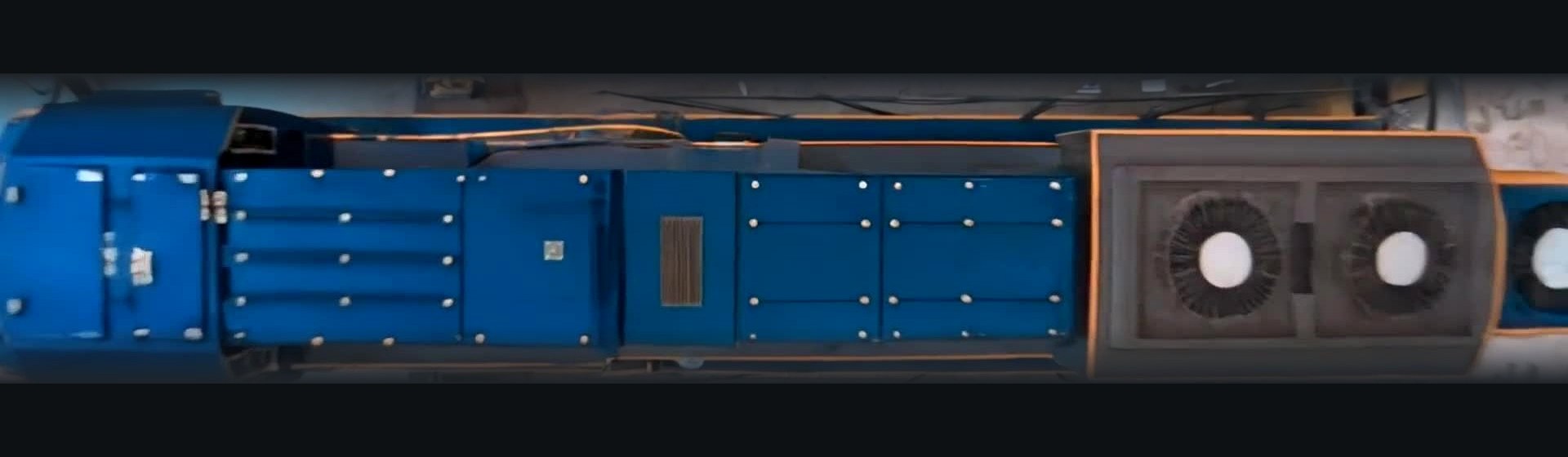
Multiple wide-angle camera positions are combined into a driver-focused surround view, with individual camera views available when needed.
Configured triggers can bring the relevant view forward and support audible or visual warnings where the selected system configuration provides them.
Video recording and event data can provide a useful record for incident review, operational learning and reporting.
System specifications vary by configuration. Typical platform capabilities include high-definition camera inputs, wide-angle coverage, onboard recording, trigger inputs and ruggedised hardware.
Designed for real-time surround-view presentation across long and complex vehicles.
Selected configurations are designed for dust, water, vibration and demanding temperature conditions.
Supports configurable storage for recorded video and event review.
Selected configurations can support trigger inputs, GPS and network connectivity.
We start with vehicle length, operating environment, sight-line risks and how the equipment will actually be used.
We support physical installation, camera positioning, calibration and operator handover.
The objective is not another screen in the cab. It is useful information presented at the moment it matters.
Sentinel is being developed as a technology platform, allowing additional safety and asset technologies to be introduced as they are commercially released.
Future Sentinel solutions can extend beyond cameras into technologies such as RFID-based personnel and asset identification, locomotive tracking and other safety technologies. These modules can be added as distribution and integration agreements are finalised.
For operators and asset owners, the value is not simply a better camera image. It is the combination of visibility, incident evidence, operator awareness and a retrofit pathway that can scale across a fleet.
Long locomotive? Multiple sight-line constraints? Harsh environment? Existing fleet? Start with the vehicle and the risk. We'll work backwards to the configuration.
Yes. The platform is designed around retrofit and new-build applications. Final mounting, power and interface requirements are confirmed against the vehicle during technical assessment.
For a 20m+ locomotive, a six-position configuration is a practical starting point: one front, one rear and two on each side. Final placement depends on body geometry and operating requirements.
No. The underlying vision platform can be configured for heavy mobile plant, trucks, buses and other large vehicles where perimeter visibility is a concern.
Depending on the selected configuration, additional detection, radar, GPS, network connectivity and other interfaces may be available. We specify these according to the application rather than adding technology for its own sake.
RFID-based personnel and asset tracking is part of the Sentinel technology roadmap. The site is structured so those solutions can be introduced as commercial distribution and integration agreements are finalised.
Tell us what you're operating, where the blind spots are and what you're trying to improve. We'll help define the right configuration before you commit to a purchase.